Enteric
Nourishment, digestive experience, and the conditions surrounding how we eat.
The EASE OS™ Method
Your physiology, your experience, your environment, and the meaning you give them are always interacting. EASE OS™ turns those relationships into a practical framework you can learn and use.
Most care treats your gut, nerves, body, and mind separately. EASE OS™ is how they connect.
“Too much information paralyzes the mind.”Dr. Connie Cheung
Four domains. A five-stage method. Seven integration pillars. You don’t have to learn the whole map before you begin—EASE Somatics is the guided first step.
The system behind the practice
EASE OS™ looks at how we adapt to the conditions of our lives. Movement is where we begin; the wider framework connects nourishment, nervous system awareness, physical capacity, and personal agency.
Nourishment, digestive experience, and the conditions surrounding how we eat.
Awareness of activation and recovery, explored through breath, attention, and daily rhythms.
Sensation, coordination, movement, and the development of physical capacity.
Recognizing patterns, making choices, and developing agency in how you meet life.
Five stages
A progression you can return to whenever your circumstances change. The six-week Somatics program applies this method to movement; deeper Recalibration education extends it across all four EASE domains.
Notice your starting point: your experience, current capacity, and what matters to you.
Set up support and workable conditions: positioning, practice rhythm, and an appropriate starting challenge.
Connect breath, movement, awareness, and daily choices through practice.
Introduce progressive challenge and notice how you respond. In movement, that can mean resistance, duration, range, or complexity.
Adjust based on experience and build a practice that can change as your life does.
Foundation through embodiment
One shared language for body, nervous system, nourishment, and mind—from the ground beneath you to the way you live.
Taught in order. Each pillar builds on the one before it.
What supports you: your base of support and contact with the ground, steady daily rhythms, and nourishment that sustains you.
Your center: breath, diaphragm, abdominal wall, and pelvic floor working together, and the gut, the nervous system, and posture sharing one space.
Balancing opposites: push and pull, effort and release, activation and recovery, doing and resting.
The bridge between body and nervous system: breathing mechanics, rhythm, and how breath shapes your state.
Organizing yourself for what matters: positioning for the task at hand, and choices that line up with your values.
Steadiness across systems: weight transfer and coordination, energy and recovery, and the give-and-take of daily life.
Bringing it all into everyday life: how you move, eat, rest, and respond, lived from the inside out.
The pillars also correspond to a traditional chakra sequence—the colors in the EASE OS™ logo: Foundation–root; Core–sacral; Polarity–solar plexus; Breath–heart; Alignment–throat; Balance–third eye; Embodiment–crown. This is a symbolic framework for reflection, separate from the anatomical teaching. It does not establish medical or endocrine effects.
Your path through the work
A free 15-minute guided practice. Get the free Reset →
Six weeks of live, guided movement with a clear progression. Founding group of 15; enrollment December 1–31, 2026. See the program →
190+ on-demand classes for continued practice. Founding participants receive selected access through March 2027. Join the Library waitlist →
A deeper program connecting all four EASE domains. In development. Join the Recalibration waitlist →
For physical therapists, movement teachers, and health professionals. Join the practitioner list →
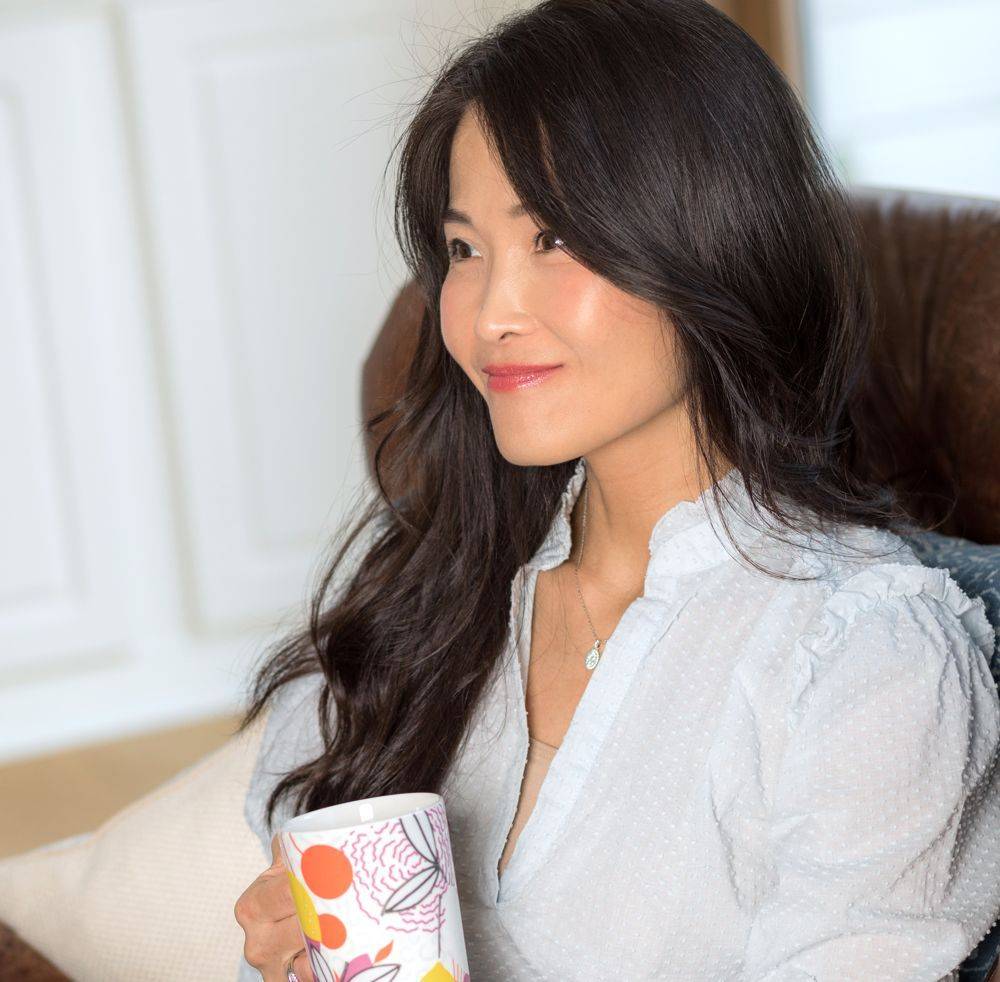
For practitioners and movement educators
A professional pathway for physical therapists, movement teachers, and health professionals who want a structured approach to breath, alignment, progressive movement, and whole-person education.
Built on Dr. Connie Cheung’s clinical expertise in physiology and neurology—as a Doctor of Physical Therapy, Functional Medicine Certified Professional (FMCP)™, master’s-trained nutrition professional, E-RYT 500, and double-certified Pilates practitioner—and her years of training teachers and practitioners, the pathway will connect the EASE OS™ framework with practical teaching skills and support for building a clear professional offering.
Join the professional interest list for curriculum previews and enrollment updates. This is separate from the consumer program.
As a physician trained in functional medicine… this experience completely changed the way I practice medicine.
Dr. Connie has a gift for teaching and imparting her wisdom. This is a program that brings change from the inside out.
As a former ICU nurse, I can attest that this follows a true healthcare model.
Curriculum, credentialing, and any continuing-education arrangements will be confirmed before enrollment.
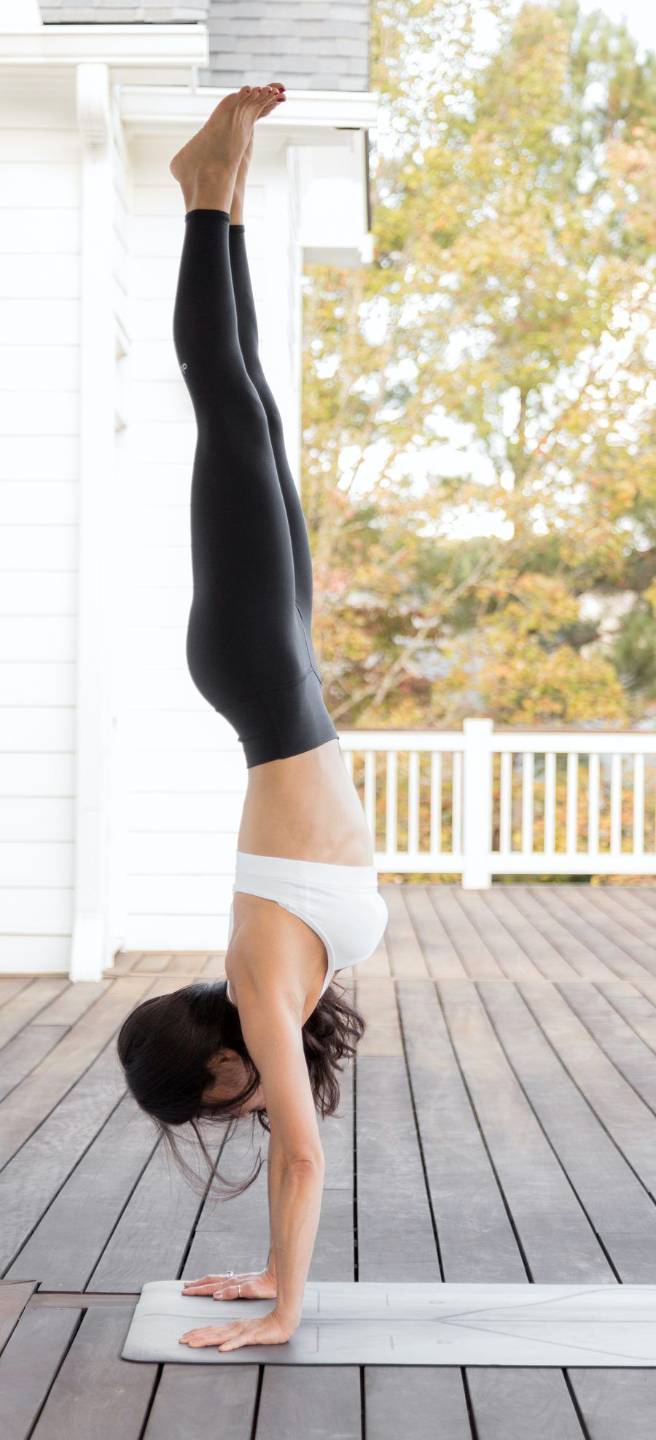
Dr. Connie Cheung
Enteric · Autonomic · Somatic · Empowered Psychology
Educational content and guided movement. These programs do not diagnose or treat medical conditions and do not replace individualized healthcare. Consult your healthcare provider about suitability for your circumstances.
© 2026 EASE OS™. All rights reserved.

Get started today before this once in a lifetime opportunity expires.